Dental Implants Complete Guide: Affordable Procedure & Stunning Benefits
Dental implants have become one of the most popular and effective solutions for replacing missing teeth. Whether due to injury, decay, or aging, tooth loss can profoundly affect not only your smile but also your overall oral health and self-confidence. Understanding dental implants, their affordability, and the benefits they offer is essential for anyone considering this modern dental treatment.
What Are Dental Implants?
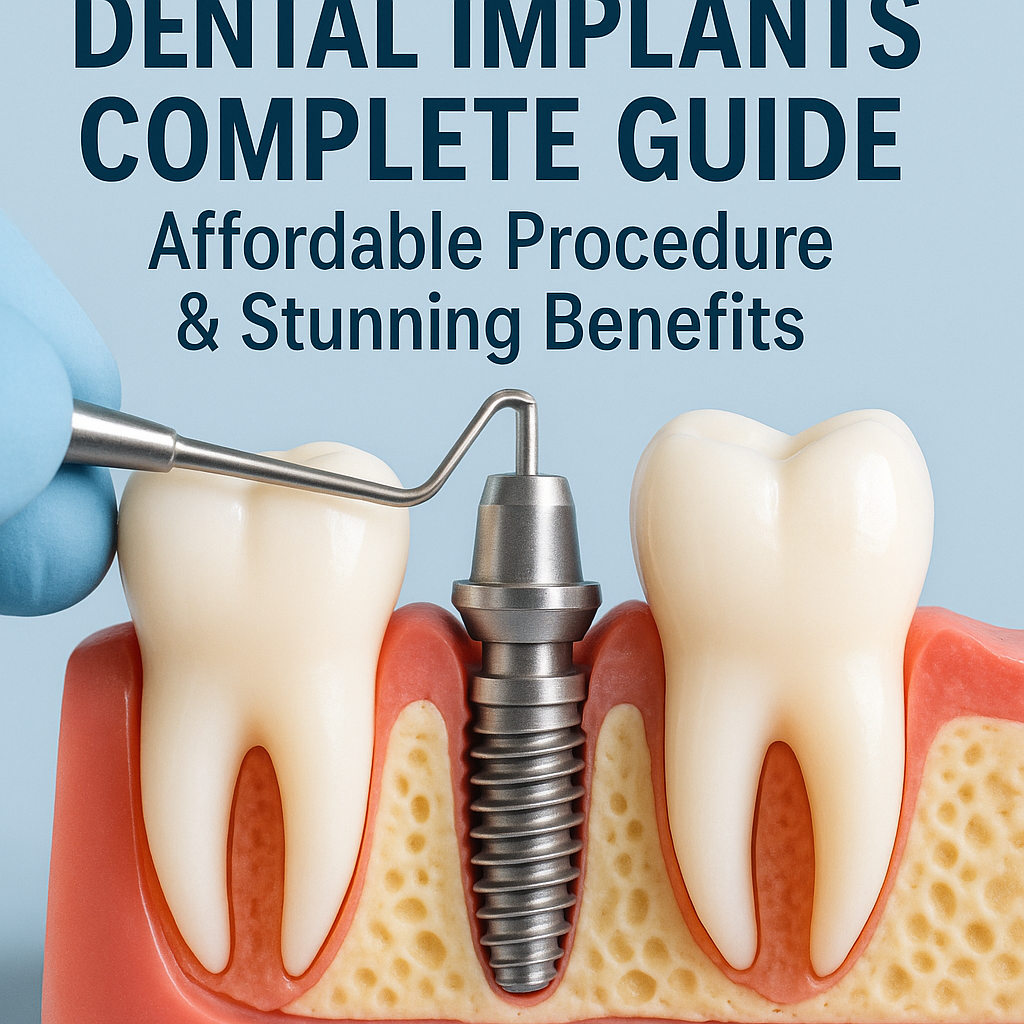
Dental implants are small titanium posts surgically placed into the jawbone to serve as artificial tooth roots. These posts provide a strong foundation for fixed or removable replacement teeth, such as crowns, bridges, or dentures. Unlike traditional dentures that sit on the gums, implants fuse with the bone through a process called osseointegration. This fusion makes implants incredibly stable and long-lasting.
The Dental Implants Procedure: Step-by-Step
One common concern for prospective patients is the dental implants procedure and how it works. Here’s a detailed overview:
Initial Consultation & Evaluation
Before the implant is placed, a dentist or oral surgeon conducts a thorough examination. This often includes X-rays and 3D imaging to assess jawbone density and structure. The evaluation helps determine if you are a good candidate or if additional procedures like bone grafting are necessary to support the implant.
Implant Placement Surgery
During the surgery, the dentist inserts the titanium post into the jawbone under local anesthesia or sedation, depending on the patient’s comfort. The gum tissue is then sutured over the implant site, allowing the bone to grow around the post over several months (usually 3 to 6).
Healing and Osseointegration
As the bone heals, it integrates directly with the implant surface, creating a sturdy base. This stage is critical for the implant’s success and requires patience and good oral hygiene.
Abutment Attachment and Crown Placement
Once healed, a small connector called an abutment is attached to the implant. This will hold the replacement tooth or crown in place. The final restoration is custom-made to match your existing teeth, ensuring natural appearance and function.
Affordable Dental Implants: Is It Possible?
Historically, dental implants have been perceived as expensive, causing many to shy away from this tooth replacement option. However, many advancements and financing options have made implants far more affordable today.
Factors Influencing Cost
Implant costs vary depending on:
– Geographic location and dental clinic
– Number of implants needed
– Additional procedures (bone grafts, extractions)
– Material quality of the implant and crown
Ways to Make Dental Implants More Affordable
1. Insurance Coverage: Some dental insurance plans have started covering parts of the implant procedure.
2. Dental Schools: Clinics affiliated with dental schools often provide implant services at reduced costs.
3. Payment Plans: Many dental offices offer financing options to spread the cost over time.
4. Comparing Quotes: Getting multiple opinions helps find competitive pricing.
5. All-on-4 Implants: This technique uses fewer implants to support a full arch, reducing overall cost.
Stunning Benefits of Dental Implants
Dental implants offer several advantages over traditional dentures and bridges:
Improved Appearance and Confidence
Because implants look and feel like natural teeth, they restore your smile and facial structure, which often deteriorates after tooth loss. This leads to increased self-esteem and a better quality of life.
Enhanced Comfort and Functionality
Implants eliminate the discomfort of removable dentures. Since they’re anchored in the jawbone, you can eat, speak, and laugh with confidence, without worrying about slipping or clicking.
Long-Term Durability
With proper care, dental implants can last a lifetime. They are highly resistant to decay and reduce the risk of bone loss in the jaw, which often accompanies missing teeth.
Oral Health Improvement
Unlike dental bridges, which require reducing adjacent teeth, implants do not damage nearby natural teeth. Moreover, they help maintain jawbone density by providing stimulation similar to natural tooth roots.
Caring for Your Dental Implants
Proper care ensures the longevity of your implants. Here are some tips:
– Maintain regular brushing and flossing routines.
– Avoid smoking, which can impair healing and implant success.
– Visit your dentist regularly for checkups and professional cleanings.
– Use an antibacterial mouthwash if recommended.
Are You a Candidate for Dental Implants?
Most healthy adults can receive dental implants. However, certain conditions like uncontrolled diabetes, heavy smoking, or insufficient bone density may complicate the procedure. A thorough consultation with a dental professional will determine your suitability and discuss any preparatory treatments needed.
Conclusion
Dental implants offer an effective, affordable, and long-lasting solution for tooth loss that improves both function and aesthetics. With advances making the procedure more accessible, more people can enjoy the transformative benefits of implants. By understanding the process, cost factors, and care requirements, you can make an informed decision about restoring your smile with dental implants—a choice that pays dividends in confidence and oral health for years to come.